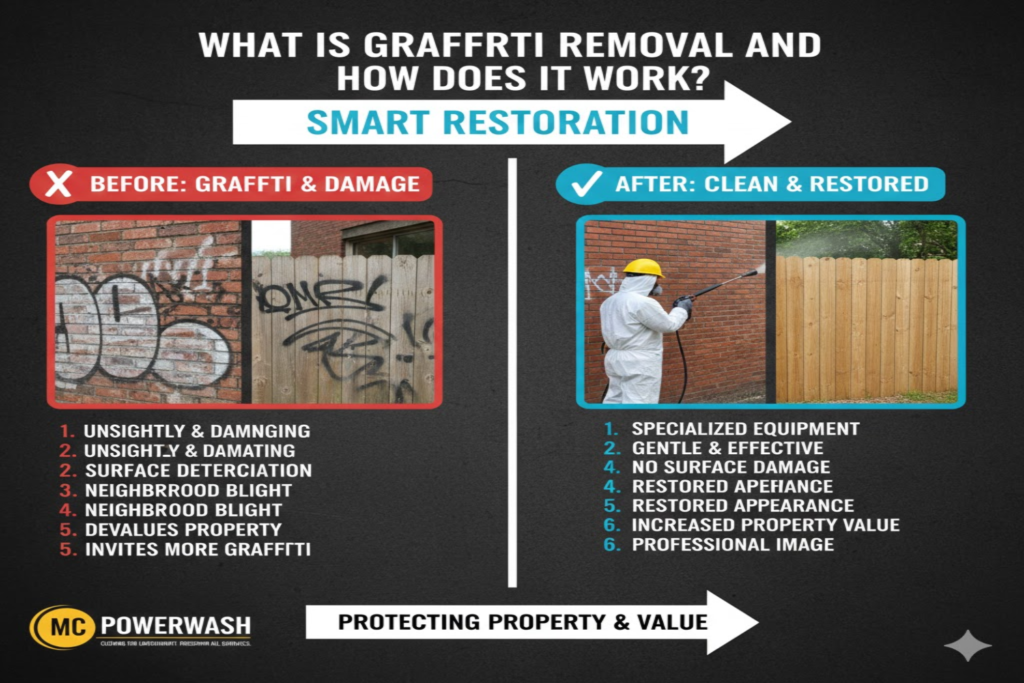
Graffiti removal is the process of eliminating unwanted spray paint, markers, or etchings from surfaces such as walls, buildings, bridges, fences, and public infrastructure. In Los Angeles, where graffiti is highly visible in urban neighborhoods, alleys, and freeways, effective removal restores property appearance and deters future tagging. The process combines chemical agents, mechanical methods, pressure washing, and sometimes heat to break down and lift paint without damaging the underlying surface. Professional services use specialized products tailored to the substrate type, such as brick, concrete, metal, glass, or wood. Homeowners and property managers rely on quick action to prevent the “broken windows” effect that encourages more vandalism. Modern techniques minimize environmental impact and preserve original coatings. Successful removal restores aesthetics, increases property value, and maintains community pride. Understanding the methods helps choose the right approach for each situation.
Understanding Graffiti and Its Impact
Graffiti ranges from simple tags to elaborate murals, but unauthorized pieces are considered vandalism in most jurisdictions. It affects both private and public property, lowering curb appeal and perceived safety. Surfaces become scarred with layered paint that traps dirt and accelerates weathering. In Los Angeles, heavy tagging on commercial buildings, garages, and transit structures creates ongoing maintenance challenges. Untreated graffiti often invites repeat offenses, leading to escalating cleanup costs. Removal protects structural integrity by preventing paint from seeping into porous materials. It also supports neighborhood revitalization efforts. Quick response reduces the psychological impact on residents. Proper techniques ensure long-term cleanliness without repeated damage.
Common Types of Graffiti
Spray paint is the most frequent type, using aerosol cans with fast-drying formulas. Permanent markers, especially wide-tipped ones, create bold, hard-to-remove lines. Etching cream or acid-based graffiti damages glass and metal by eating into the surface. Sticker graffiti adheres strongly and leaves residue when peeled. Chalk or crayon marks appear on masonry and require different solvents. Multi-layered graffiti complicates removal as older layers resist chemicals. In urban settings, paint types vary by season and artist preference. Recognizing the type guides method selection. Each variety demands specific products and dwell times. Accurate identification prevents surface damage.
Surfaces Affected by Graffiti
Concrete and brick are highly porous, absorbing paint deeply and requiring strong strippers. Painted walls may lose original coating during removal if aggressive methods are used. Metal surfaces like roll-up doors resist chemicals but can corrode with wrong solvents. Glass shows etching clearly and often needs polishing after chemical treatment. Wood absorbs paint unevenly and can splinter under pressure washing. Stucco and textured surfaces trap paint in crevices. Different materials react uniquely to cleaners. Testing products on small areas is essential. Surface type determines safe pressure levels and chemical compatibility. Proper matching protects the substrate.
Why Prompt Removal is Important
- Graffiti that remains visible signals neglect and invites additional tagging.
- Fresh paint is easier to remove than cured, layered applications.
- Delaying increases chemical strength needed and risk to the surface.
- Quick removal discourages repeat offenders in the area.
- It preserves property values and tenant satisfaction.
- In high-traffic zones, visible vandalism affects business revenue.
- Early action reduces overall maintenance expenses.
- Community standards improve with consistent cleanup.
- Prompt response maintains neighborhood pride.
- Timely intervention yields the best results.
Chemical Graffiti Removal Methods
Chemical removers break down paint binders through solvents and surfactants. Alkaline strippers work well on fresh latex and acrylic paints. Solvent-based products dissolve oil-based and enamel paints effectively. Graffiti-specific formulations minimize damage to underlying paint or sealant. Dwell time allows the product to penetrate layers. Agitation with soft brushes lifts loosened paint. Multiple applications may be required for heavy buildup. Rinsing removes residue completely. Proper chemical selection prevents etching or discoloration. Professionals choose products based on surface tests.
Mechanical Graffiti Removal Techniques
Mechanical methods physically abrade or blast away paint. Low-pressure soda blasting uses baking soda media for gentle cleaning on masonry. Dry ice blasting freezes paint for easy chipping without water. Sandblasting is effective on concrete but too aggressive for painted surfaces. Wire brushing or scraping suits small areas. Grinding removes deep etching on glass or metal. Each technique requires specialized equipment. Dust control is critical during mechanical work. Surface profiling must be minimized. Combining mechanical with chemical boosts results.
Pressure Washing in Graffiti Removal
Pressure washing uses high-velocity water to dislodge loosened paint after chemical pretreatment. Hot water pressure washing enhances effectiveness on stubborn graffiti. Pressure levels are adjusted to avoid etching or pitting surfaces. Wide-angle nozzles distribute force evenly. Detergents are added to break surface tension. Rinsing follows to prevent streaking. In Los Angeles, pressure washing is popular for large walls and freeway structures. Proper technique prevents water intrusion into walls. Follow-up sealing protects cleaned areas. It provides efficient coverage on big jobs.
Heat-Based Graffiti Removal
Infrared heaters soften paint for scraping without chemicals. Heat guns target small areas precisely. Steam cleaning combines heat and moisture to lift paint. These methods work well on heat-resistant surfaces. Temperature control prevents scorching or cracking. They reduce chemical usage significantly. Heat is less effective on multi-layered or deeply penetrated graffiti. Safety precautions are essential with hot tools. Ventilation is required to avoid fumes. Heat methods complement other techniques.
Eco-Friendly and Green Removal Options
Biodegradable strippers use plant-based solvents to minimize environmental harm. Citrus-based cleaners dissolve paint effectively with low toxicity. Soy-based products offer strong performance and easy disposal. Low-VOC formulations reduce air pollution. Water-based removers suit sensitive areas. Collecting runoff prevents waterway contamination. Mechanical methods like soda blasting generate less waste. Green options maintain compliance with local regulations. They protect surrounding vegetation. Sustainable choices deliver effective results.
Step-by-Step Professional Graffiti Removal Process
First, assess the graffiti type, surface material, and layers present. Test selected products on a small hidden area. Apply chemical remover evenly with a sprayer or brush. Allow proper dwell time without letting it dry. Agitate gently with brushes or scrapers. Rinse thoroughly using low to medium pressure. Repeat steps for stubborn sections. Neutralize chemicals if required. Apply protective sealant or anti-graffiti coating. Document before and after photos.
DIY vs Professional Graffiti Removal
DIY suits small, fresh tags on accessible surfaces. Homeowners use store-bought removers and basic pressure washers. Professionals handle large areas, delicate substrates, and layered graffiti. They possess commercial-grade chemicals and equipment. Pros minimize surface damage through experience. Insurance covers professional work if accidents occur. DIY risks include incomplete removal or substrate harm. Time investment is higher for non-experts. Professionals finish faster with better results. Complex jobs warrant expert help.
Safety Precautions During Removal
Wear chemical-resistant gloves, goggles, and respirators. Use protective clothing to avoid skin contact. Work in well-ventilated areas or use fans. Keep children and pets away from the site. Secure ladders and use fall protection on heights. Avoid mixing incompatible chemicals. Store products away from heat sources. Have eyewash stations and first-aid kits ready. Follow product safety data sheets. Safety prevents injuries and ensures effective work.
Preventing Future Graffiti
Install anti-graffiti coatings that allow easy paint release. Use motion-activated lighting in vulnerable areas. Apply protective films on glass and metal. Plant thorny bushes near low walls. Participate in community mural programs. Implement surveillance cameras in high-risk zones. Quick removal of new tags deters vandals. Educate youth on graffiti consequences. Partner with local authorities. Prevention reduces long-term costs.
Anti-Graffiti Coatings Explained
Sacrificial coatings are removed with graffiti, requiring reapplication. Permanent coatings allow solvent-based removal without damage. Hybrid coatings combine both benefits. They protect porous surfaces from penetration. Application is simple with rollers or sprayers. Curing time varies by product. Reapplication intervals depend on exposure. Coatings maintain appearance after cleaning. They save time and money long-term. Proper selection matches surface type.
Cost Factors in Graffiti Removal
Costs depend on surface area, graffiti layers, and material type. Chemical usage and labor hours influence pricing. Access difficulty increases charges. Equipment rental adds to expenses. Location and urgency affect rates. Preventative coatings add upfront cost but reduce future needs. DIY is cheaper but riskier. Professional jobs ensure quality and speed. Budgeting for prevention saves money overall. Accurate quotes require site inspection.
Legal Aspects of Graffiti Removal
Property owners have the right to remove vandalism promptly. Some cities require permits for public property cleaning. Anti-graffiti laws impose fines on offenders. Documentation supports insurance claims. Reporting new incidents aids law enforcement. Community programs offer reimbursement in some areas. Compliance with environmental regulations is mandatory. Professional services handle disposal properly. Legal awareness prevents complications. Proper process protects owners.
Environmental Considerations
- Chemical runoff must be contained and disposed of correctly.
- Biodegradable products reduce ecological impact.
- Water reclamation systems capture and filter wastewater.
- Mechanical methods produce less hazardous waste.
- Green certifications guide product choice.
- Responsible removal protects local waterways.
- Recycling of blasted media is possible.
- Sustainable practices gain community support.
- Environmental care maintains public health.
- Balanced approaches deliver clean results.
Common Mistakes in Graffiti Removal
Using household cleaners damages surfaces permanently. Applying too much pressure etches concrete. Skipping test patches causes discoloration. Allowing chemicals to dry on the surface sets paint. Ignoring safety gear leads to injury. Removing old graffiti aggressively harms original paint. Not neutralizing strippers leaves residue. Rushing the process yields poor results. Avoiding mistakes ensures better outcomes. Learning proper techniques is essential.
Long-Term Maintenance After Removal
Apply protective coatings immediately after cleaning. Inspect treated areas regularly for new tags. Clean minor marks quickly before they set. Maintain surrounding landscaping to reduce access. Document maintenance records. Schedule professional inspections periodically. Reapply sealants as recommended. Monitor for weathering or coating wear. Consistent care keeps surfaces clean. Long-term plans minimize recurrence.
Comparison Table: Graffiti Removal Methods
| Method | Best For | Surface Compatibility | Speed | Cost Level | Environmental Impact | Damage Risk | Effectiveness on Layers | Equipment Needed |
| Chemical Strippers | Fresh paint, most surfaces | Concrete, brick, painted | Moderate | Low to Medium | Medium (depends on product) | Low to Medium | High | Sprayer, brushes, PPE |
| Pressure Washing | Large areas, post-chemical | Concrete, metal, masonry | Fast | Medium | Medium (runoff concerns) | Medium | Medium-High | Pressure washer, nozzles |
| Soda Blasting | Delicate masonry, historical | Brick, stone, concrete | Moderate | High | Low | Low | High | Blasting unit, media |
| Dry Ice Blasting | Sensitive surfaces, no residue | Metal, glass, painted | Moderate | High | Very Low | Very Low | High | Dry ice system |
| Heat/Steam | Heat-resistant surfaces | Metal, some masonry | Slow | Medium | Low | Low to Medium | Medium | Heat gun, steam cleaner |
| Mechanical Scraping | Small areas, light tags | All surfaces | Slow | Low | Very Low | Medium | Low to Medium | Scrapers, wire brushes |
| Anti-Graffiti Coating | Prevention after cleaning | Porous surfaces | N/A (preventive) | Medium upfront | Low | Very Low | N/A (prevents) | Roller, sprayer |
Benefits of Professional Graffiti Removal Services
Professional services deliver faster, safer, and more consistent results than DIY attempts. Experts select the correct chemicals and techniques for each surface. They minimize damage and avoid costly mistakes. Access to commercial equipment handles large or difficult jobs efficiently. Professionals manage waste disposal legally. Insurance coverage protects against accidents. Quick turnaround restores appearance promptly. Trained teams work safely at heights. They provide warranties on results. Hiring experts saves time and money long-term.
Choosing the Right Graffiti Removal Company
Look for licensed and insured companies with experience in your area. Check reviews and before-after photos of similar jobs. Ask about methods and products used. Ensure they follow environmental regulations. Request references from recent clients. Compare detailed quotes including cleanup. Verify worker safety training. Choose firms offering preventative coatings. Local knowledge of materials and climate is valuable. A reliable company builds long-term partnerships.
Conclusion
Graffiti removal restores surfaces, protects property value, and discourages further vandalism when done correctly. Combining chemical, mechanical, and preventative methods delivers the best outcomes. In Los Angeles, where urban graffiti challenges are common, quick and professional response makes a significant difference. Understanding surface types, paint varieties, and safe techniques prevents damage and ensures lasting cleanliness. Whether using DIY for small tags or hiring experts for large jobs, proper methods and timely action are key. Investing in anti-graffiti coatings and regular maintenance keeps properties looking their best. With informed choices, graffiti can be removed effectively and prevented successfully for years to come.
Frequently Asked Questions (FAQs)
1. What is the fastest way to remove fresh graffiti?
The fastest way is to treat fresh graffiti within 24–48 hours using a graffiti-specific chemical remover. Apply the product, allow short dwell time, then rinse with low-pressure washing. Fresh paint has not fully cured, making it easier to lift. Quick action often removes tags completely without multiple steps or surface damage.
2. Can graffiti be removed from brick without damage?
Yes, graffiti can be safely removed from brick using low-pressure methods and pH-balanced strippers. Soda blasting is especially gentle and effective on porous masonry. Avoid high-pressure washing alone as it drives paint deeper. Professional testing and careful technique preserve the brick texture and color.
3. Is pressure washing enough to remove graffiti?
Pressure washing alone is rarely sufficient for stubborn or layered graffiti. It works best after chemical pretreatment to loosen paint. Using too much pressure can etch surfaces or drive paint deeper. Proper combination of chemicals and controlled pressure yields complete removal.
4. How much does professional graffiti removal cost?
Professional graffiti removal typically costs $2–$8 per square foot depending on surface, layers, and access difficulty. Small tags may be $150–$400 while large walls can exceed $1,000. Preventative coatings add to the price but reduce future costs. Accurate quotes require on-site evaluation.
5. Are there eco-friendly graffiti removers?
Yes, many biodegradable and low-VOC graffiti removers use citrus, soy, or plant-based solvents. These products effectively dissolve paint while reducing environmental harm. Runoff is still captured to protect waterways. Green options perform well without sacrificing results.
6. How do anti-graffiti coatings work?
Anti-graffiti coatings create a barrier that prevents paint from bonding strongly to the surface. Sacrificial types are removed with graffiti, while permanent types allow solvent cleaning without recoating. They make future removal faster and less damaging. Application after cleaning provides long-term protection.
7. Can etched graffiti on glass be fixed?
Etched graffiti on glass can be minimized but not always completely removed. Polishing compounds and cerium oxide reduce the appearance significantly. Deep etching may require professional glass replacement. Early treatment with etching cream removers prevents permanent scarring. Prevention is better than attempting repair.
8. How long does graffiti removal take?
Small tags can be removed in 30 minutes to 2 hours. Large walls or multi-layered graffiti may take several hours to a full day. Drying time between steps extends the process. Professionals work efficiently and complete most jobs within one visit. Size and complexity determine duration.
9. Does removing graffiti encourage more vandalism?
No, quick removal actually discourages future tagging by eliminating the “canvas” effect. Visible old graffiti invites repeat offenses, while clean surfaces signal active maintenance. Consistent cleanup reduces overall vandalism in the area. Prevention strategies further lower recurrence rates.
10. What should I do immediately after discovering graffiti?
Photograph the graffiti for documentation and possible police reporting. Do not attempt removal without proper products. Contact a professional service for assessment and quick action. Avoid covering with mismatched paint as it often looks worse. Prompt professional treatment yields the best results and prevents escalation.