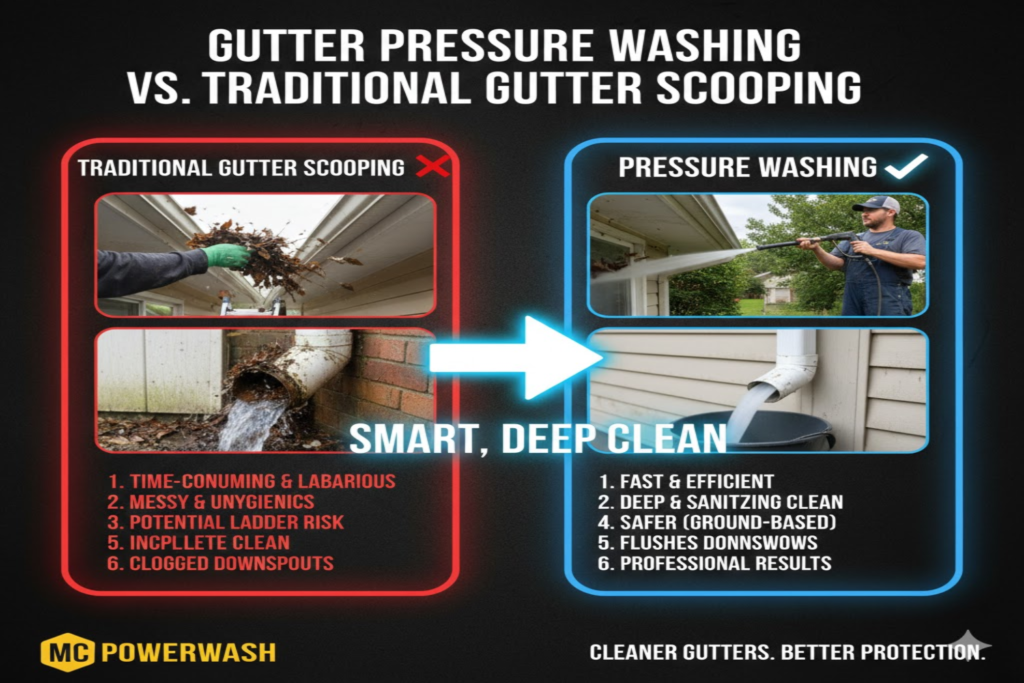
Gutters play a crucial role in protecting homes from water damage by channeling rainwater away from foundations and roofs. In Los Angeles, where occasional heavy rains can lead to rapid debris accumulation, choosing the right cleaning method is essential. Pressure washing uses high-powered water streams to blast out clogs and buildup quickly. Traditional scooping involves manually removing leaves, dirt, and twigs with tools like scoops or gloves. Pressure washing offers speed and thoroughness but risks damaging gutters if not done carefully. Scooping is safer for delicate materials but can be time-consuming and labor-intensive. Both methods prevent issues like overflows, leaks, and pest infestations. Understanding the pros, cons, and best practices helps homeowners decide based on their gutter type, condition, and personal capabilities. Regular maintenance extends gutter life and avoids costly repairs. In humid coastal areas, timely cleaning is key to home preservation.
Understanding Gutters and Their Importance
Gutters collect and direct rainwater to prevent erosion around foundations and basement flooding. They protect siding, windows, and doors from water stains and rot. Without clean gutters, overflows can cause landscape damage and ice dams in colder spells. In Los Angeles, dust and pollen from urban environments mix with leaves to create stubborn clogs. Proper functioning reduces mosquito breeding in standing water. They enhance curb appeal by keeping exteriors dry and clean. Neglecting them leads to structural issues over time. Materials like aluminum, vinyl, or copper affect cleaning choices. Awareness of their role encourages proactive care. Overall, gutters safeguard your investment in home infrastructure.
What Causes Gutter Clogs?
Leaves from nearby trees fall into gutters during autumn winds. Twigs and branches break off in storms and lodge inside. Bird nests and animal debris add to blockages over time. Dirt, dust, and roof granules wash down with rain. In Los Angeles, palm fronds and urban pollution accelerate buildup. Poor installation allows sagging, trapping more material. Overhanging branches drop seeds and sap regularly. Identifying causes helps in prevention strategies. Ignoring them results in water backups. Regular checks reveal early signs of trouble.
Signs Your Gutters Need Cleaning
Water spilling over sides during rain indicates full clogs. Sagging sections show weight from accumulated debris. Stains on siding below gutters signal overflows. Plants growing in gutters mean soil buildup. Musty odors near downspouts hint at mold. Visible debris from ground level is a clear warning. Pests like insects or rodents nesting inside. Prompt action prevents escalation. Delaying worsens damage potential. Routine inspections catch issues early.
Pros of Pressure Washing Gutters
- It removes deep-seated grime and algae quickly with forceful water.
- Covers large areas efficiently, saving time for big homes.
- Kills mold and bacteria without harsh chemicals often.
- Reaches hard-to-access spots like seams and corners.
- Improves water flow immediately after cleaning.
- Less physical effort compared to manual methods.
- Professional equipment ensures even results.
- Enhances overall gutter appearance.
- Suitable for metal gutters resistant to pressure.
- Boosts home maintenance efficiency.
Cons of Pressure Washing Gutters
High pressure can dent or dislodge lightweight vinyl gutters. Risks forcing water under roof shingles if aimed wrong. Noisy operation disturbs neighbors and pets. Requires protective gear to avoid splatter injuries. Potential for ladder slips on wet surfaces. Overuse strips protective coatings on painted gutters. Not ideal for older, brittle systems. Demands skill to avoid damage. Higher initial setup costs for equipment. Environmental concerns from runoff.
Pros of Traditional Gutter Scooping
Gentle on all gutter materials, preventing scratches or bends. Allows close inspection for damage like rust or holes. Low-cost with basic tools like gloves and scoops. No electricity or water needed, eco-friendly option. Builds homeowner familiarity with their system. Effective for removing large debris chunks manually. Safer for DIY on low roofs. Customizable pace without machinery rush. Reduces risk of water intrusion during process. Promotes thorough, hands-on cleaning.
Cons of Traditional Gutter Scooping
Time-consuming for extensive gutter lengths or heavy clogs. Physically demanding, causing back strain or fatigue. Messy with debris falling to ground below. Limited reach without extensions for high areas. Misses fine particles that pressure can blast away. Higher risk of falls from repeated ladder moves. Inconsistent results if not done meticulously. Weather-dependent, avoiding rain or wind. Requires disposal of scooped material properly. Less effective on slippery algae buildup.
When to Choose Pressure Washing
Opt for it when gutters have caked-on dirt or algae layers. Ideal for annual deep cleans in high-debris zones. In Los Angeles, useful after dry seasons with dust accumulation. Suited for sturdy aluminum or steel gutters. When time is limited and efficiency matters. For homes with multiple stories needing quick coverage. If hiring professionals with adjusted pressure tools. Ensures comprehensive flush of downspouts. Best for preventing recurrent blockages fast.
When to Choose Traditional Scooping
Select it for routine maintenance with light debris. Perfect for delicate vinyl or wood gutters. When budget is tight and DIY preferred. Allows patching minor issues during cleaning. For small homes with accessible rooflines. In calm weather for safe, controlled work. If avoiding water waste or runoff concerns. Provides satisfaction of hands-on home care. Ideal for spotting early wear signs.
Safety Tips for Gutter Cleaning
Use sturdy ladders with stabilizers on even ground. Wear non-slip shoes, gloves, and eye protection. Avoid working in rain or high winds. Secure tools with belts to prevent drops. Have a spotter for high or steep roofs. Check ladder rungs for stability before climbing. Stay away from power lines overhead. Take breaks to avoid fatigue-related accidents. Plan escape routes in case of slips. Prioritize professional help if unsure.
Tools Needed for Pressure Washing
Pressure washer with adjustable nozzle settings. Extension wand for reaching high gutters. Gutter cleaning attachments like curved tips. Safety harness for roof work if needed. Tarps to protect plants below from runoff. Biodegradable detergent for tough grime. Hose for rinsing after washing. Ladder with standoff brackets. Gloves and goggles essential. Storage for equipment post-use.
Tools Needed for Traditional Scooping
Plastic or metal gutter scoop for debris removal. Heavy-duty gloves to protect hands. Bucket or bag for collecting waste. Garden hose for final rinse. Ladder with secure footing. Extension pole for hard-to-reach spots. Trash bags for disposal. Brush for scrubbing seams. Flashlight for dark areas. Basic repair kit handy.
Step-by-Step Guide to Pressure Washing Gutters
Inspect gutters for damage before starting. Set pressure to low or medium to avoid harm. Attach gutter wand to washer hose. Start from downspout end, working backward. Blast debris toward downspout for easy exit. Rinse thoroughly to remove soap residue. Check flow by running water through. Dry equipment and store properly. Monitor for leaks post-cleaning. Repeat annually or as needed.
Step-by-Step Guide to Traditional Gutter Scooping
Position ladder securely near starting point. Scoop out loose debris into bucket. Use brush to loosen stuck material. Flush with hose to clear remnants. Inspect for repairs like sealing joints. Empty waste responsibly in compost or trash. Move ladder section by section. Wipe down gutters for shine. Test water flow afterward. Schedule next cleaning based on season.
Eco-Friendly Considerations
Choose biodegradable cleaners for pressure washing. Collect runoff to avoid polluting waterways. Traditional scooping minimizes water usage overall. Compost organic debris like leaves. Use solar-powered tools if available. Avoid harsh chemicals in both methods. Plant gutter-friendly vegetation nearby. Reduce frequency with guards. Promote sustainability in home care. Balance effectiveness with environmental impact.
Cost Comparison Between Methods
DIY pressure washing requires initial washer purchase around $200-$500. Rental options cut costs to $50 per day. Professional services range $150-$300 per job. Traditional scooping tools cost under $50 total. No ongoing fees for manual method. Factor in time value for labor. In urban areas, pros add convenience. Long-term savings from prevention. Budget based on home size. Evaluate ROI for equipment.
Professional Services for Gutter Cleaning
Hire experts for high or complex roofs. They bring insurance and specialized tools. Ensure even cleaning without damage. Offer warranties on work performed. In Los Angeles, certified teams handle local debris types. Save time and reduce injury risks. Get quotes from multiple providers. Check reviews for reliability. Combine with inspections. Peace of mind for busy homeowners.
DIY vs Hiring Pros
DIY saves money but demands effort and caution. Pros ensure safety and thorough results. Assess your comfort with heights. For pressure washing, pros adjust settings expertly. Scooping DIY is simpler for beginners. Factor in tools ownership costs. Pros handle disposal and repairs. Choose based on gutter condition. Hybrid approach for some tasks. Prioritize quality over shortcuts.
Preventing Future Gutter Clogs
Install mesh guards to block large debris. Trim overhanging tree branches regularly. Clean twice yearly in prone areas. Use leaf blowers for quick surface clears. Slope gutters properly for better drainage. Apply sealants to prevent algae growth. Monitor after storms for buildup. Educate on seasonal risks. Invest in durable materials. Consistent habits reduce cleaning frequency.
Impact on Home Value
- Clean gutters enhance curb appeal significantly.
- Prevent water damage that lowers appraisals.
- Demonstrate good maintenance to buyers.
- Avoid costly repairs from neglect.
- In real estate markets, it’s a selling point.
- Boost energy efficiency by keeping attics dry.
- Protect landscaping investments below.
- Regular care signals responsible ownership.
- Increase resale potential overall. Simple upkeep pays off.
Common Mistakes in Gutter Cleaning
Using too high pressure damages seams. Scooping without gloves leads to cuts. Ignoring downspouts causes hidden clogs. Working alone on tall ladders risks falls. Skipping rinses leaves residue behind. Cleaning in bad weather increases hazards. Overlooking repairs during process. Improper disposal pollutes environment. Rushing leads to incomplete jobs. Learn from errors for better results.
Long-Term Maintenance Strategies
Schedule biannual cleanings for optimal flow. Inspect after major weather events. Replace damaged sections promptly. Document cleaning dates for records. Use apps for reminder alerts. Train family on spot checks. Invest in quality guards long-term. Combine methods for hybrid care. Monitor for pest signs regularly. Sustain habits for enduring protection.
Comparison Table: Pressure Washing vs Traditional Scooping
| Aspect | Pressure Washing | Traditional Scooping |
| Speed | Fast, covers large areas in hours | Slower, takes longer for manual removal |
| Effectiveness | Excellent for deep cleans and fine debris | Good for large chunks but misses fines |
| Cost (DIY) | $200-$500 initial + $20 per use | Under $50 for tools, no ongoing costs |
| Cost (Professional) | $150-$300 per session | $100-$250 per session |
| Risk of Damage | Higher if pressure too strong | Lower, gentle on materials |
| Physical Effort | Low, machinery does the work | High, requires manual labor |
| Water Usage | High, needs constant supply | Low, only for rinsing |
| Noise Level | Loud from equipment | Quiet, no machinery involved |
| Suitability for Materials | Best for metal, avoid vinyl | Safe for all types including delicate |
| Environmental Impact | Runoff concerns, use eco-detergents | Minimal waste, compostable debris |
| Skill Required | Moderate, need pressure control | Low, basic tools and technique |
| Best For | Heavy clogs, large homes | Light maintenance, small properties |
| Frequency Needed | Every 6-12 months | Every 3-6 months in debris-heavy areas |
| Safety Risks | Slips on wet surfaces, equipment mishaps | Falls from ladders, back strain |
Gutter Materials and Method Compatibility
Different gutter materials react variably to cleaning methods. Aluminum withstands pressure washing well due to durability. Vinyl may warp under high force, favoring scooping. Copper resists corrosion but scratches easily manually. Steel handles both but rusts if coatings stripped. Wood requires gentle scooping to avoid splintering. Seamless gutters benefit from pressure for even flush. Choose based on installation type. Consult manufacturers for guidelines. Proper match extends system life. Avoid mismatches to prevent voids in warranties.
Seasonal Cleaning Recommendations
Spring cleaning removes winter debris like ice melt residue. Fall targets falling leaves before rains. Summer checks for dust in dry spells. Winter prep prevents ice dams. In Los Angeles, focus on post-rainy season flushes. Adjust for local weather patterns. Use milder methods in heat. Store tools properly off-season. Plan around holidays for convenience. Timely action averts emergencies.
Conclusion
Deciding betweengutter pressure washing and traditional scooping depends on your home’s needs, budget, and personal preferences. Pressure washing excels in efficiency and deep cleaning but requires caution to avoid damage. Traditional scooping offers safety and control, ideal for DIY enthusiasts. In Los Angeles, where urban debris and humidity pose challenges, combining elements of both with preventive measures ensures optimal results. Regular maintenance protects your property from water damage and enhances longevity. Consult professionals for complex situations, and always prioritize safety. With informed choices, your gutters will function effectively for years, safeguarding your home investment.
Frequently Asked Questions (FAQs)
1. What is gutter pressure washing?
Gutter pressure washing uses a high-powered water stream to remove debris, algae, and clogs from gutters and downspouts. It involves specialized nozzles and detergents for thorough cleaning without manual scraping. This method is quick for large systems but needs proper pressure control to prevent damage. It’s popular for annual deep cleans in homes with heavy buildup.
2. What is traditional gutter scooping?
Traditional gutter scooping involves manually removing leaves, dirt, and twigs using handheld tools like scoops or gloves. It’s a low-tech approach that allows close inspection and minor repairs during the process. This method is gentle on gutters and cost-effective for DIY. It suits routine maintenance but can be labor-intensive for extensive clogs.
3. Which method is faster?
Pressure washing is generally faster, often completing a full home in a few hours due to its powerful flushing action. It covers seams and downspouts efficiently without repeated ladder moves. Scooping takes longer, especially for detailed removal of packed debris. For quick jobs, pressure wins, but scooping allows a steady pace.
4. Is pressure washing safe for all gutters?
Pressure washing is safe for sturdy materials like aluminum or steel when using low to medium settings. However, it can damage vinyl or painted gutters by denting or stripping coatings. Always test a small area first and use attachments designed for gutters. Professional application minimizes risks compared to amateur attempts.
5. How much does each method cost?
DIY pressure washing costs $200-$500 for equipment plus minimal per-use expenses. Professional services range $150-$300. Traditional scooping DIY is under $50 for tools with no recurring costs. Hiring pros for scooping is $100-$250, making it cheaper overall for simple jobs.
6. Can I combine both methods?
Yes, combining pressure washing and scooping maximizes effectiveness by first scooping large debris then washing remnants. This hybrid approach reduces pressure needs and ensures thoroughness. It’s ideal for severe clogs where manual prep aids flushing. Many professionals use this for optimal results without over-relying on one technique.
7. How often should gutters be cleaned?
Gutters should be cleaned at least twice a year, in spring and fall, to handle seasonal debris. In areas with more trees or pollution, quarterly checks are advisable. Heavy rains or storms may require immediate attention. Regular cleaning prevents overflows and extends gutter lifespan significantly.
8. What safety gear is needed?
For both methods, wear gloves, non-slip shoes, and eye protection to guard against debris and slips. Use a sturdy ladder with stabilizers and a harness for heights. Have a spotter and avoid bad weather. Pressure washing adds ear protection due to noise.
9. Does cleaning affect home insurance?
Proper gutter cleaning can prevent claims from water damage, potentially lowering premiums over time. Some policies require maintenance proof for coverage. Neglect leading to leaks may void claims. Document cleanings to support insurance discussions.
10. Are there eco-friendly options?
Eco-friendly options include biodegradable detergents for pressure washing and composting scooped debris. Use low-water pressure settings to minimize runoff. Install guards to reduce cleaning frequency. Both methods can be green with mindful practices like collecting waste responsibly.