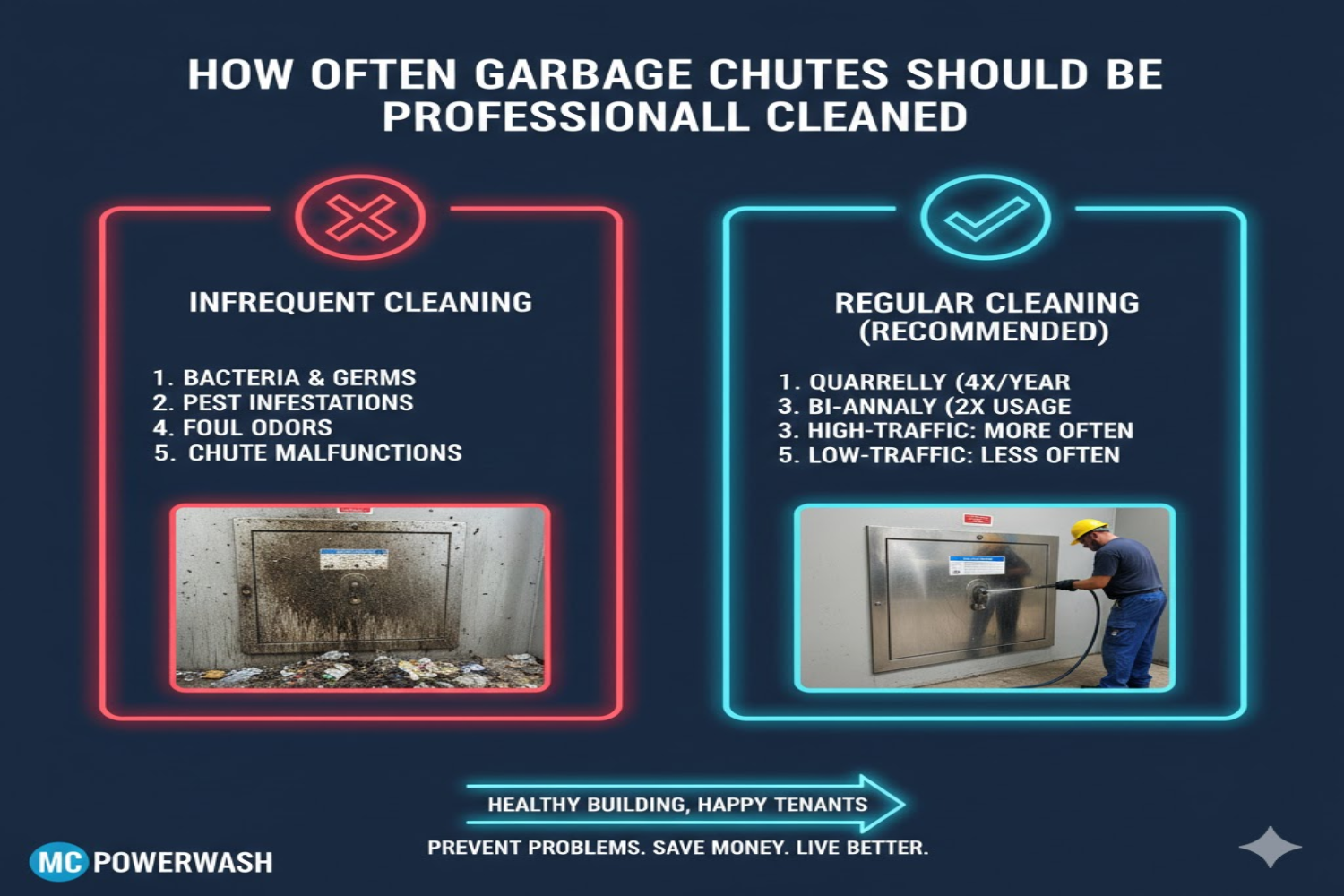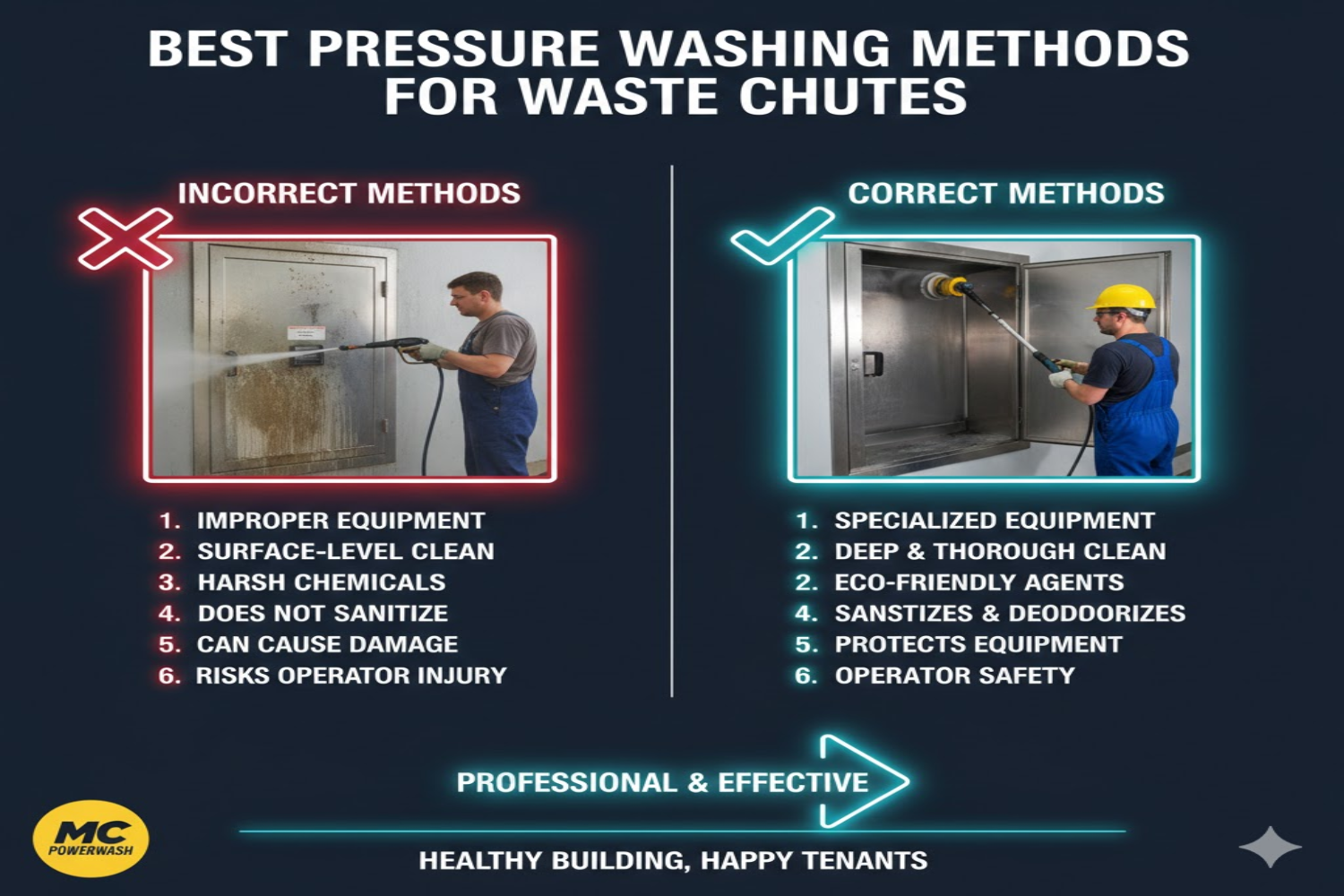
Garbage chute cleaning differs significantly between apartment buildings and hotels due to usage patterns, occupancy type, waste composition, regulatory requirements, and operational demands. In Los Angeles, both property types are extremely common in high-rise developments, but hotels experience much heavier and more diverse waste loads from restaurants, room service, and high guest turnover. Apartment chutes primarily handle residential food waste, packaging, and occasional bulky items, while hotel chutes deal with a mix of kitchen grease, banquet leftovers, guest trash, and commercial volumes. Apartment cleaning focuses on odor control and resident satisfaction, while hotel cleaning prioritizes rapid turnaround, food safety compliance, and luxury guest experience. Professional techniques, frequency, chemicals, and safety protocols vary considerably. Understanding these differences helps property managers choose appropriate services and maintain hygiene effectively. Proper cleaning prevents health hazards, pest issues, fire risks, and costly emergency calls in both settings. The contrast is especially noticeable in dense urban markets like Los Angeles. Hotel chutes often receive hot, greasy waste immediately after events, causing faster buildup. Apartment waste is mostly bagged and cooler. Hotel chutes also see more non-compliance (loose trash, liquids) from transient guests. These usage differences directly affect cleaning frequency, difficulty, and required methods. Hotels generally need more intensive and frequent service. The contrast drives major differences in maintenance strategy.
Why Garbage Chute Usage Differs Between Apartments & Hotels
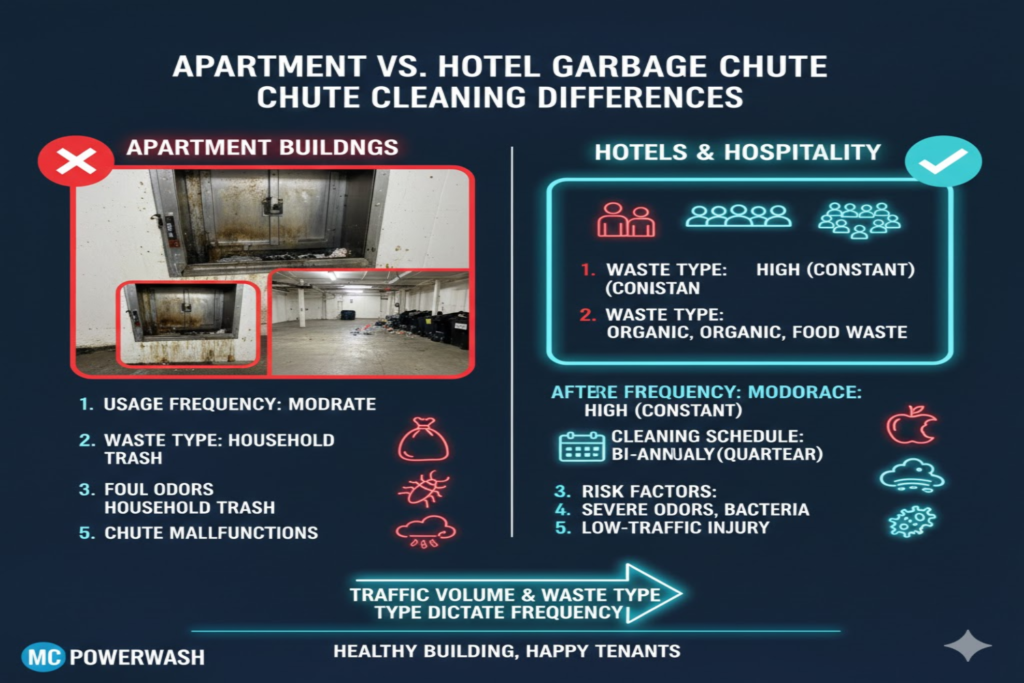
Apartment buildings have relatively steady, predictable waste from long-term residents—mainly household food scraps, packaging, and recyclables. Usage is spread evenly across 24 hours, with peaks during evenings. Hotels generate much higher volumes per day due to daily guest turnover, restaurants, banquets, and room service trays. Waste includes large amounts of food grease, wet organics from buffets, and commercial kitchen byproducts. Hotel chutes often receive hot, greasy waste immediately after events, causing faster buildup.
Apartment waste is mostly bagged and cooler. Hotel chutes also see more non-compliance (loose trash, liquids) from transient guests. These usage differences directly affect cleaning frequency, difficulty, and required methods. Hotels generally need more intensive and frequent service. The contrast drives major differences in maintenance strategy. Hotel chutes often receive hot, greasy waste immediately after events, causing faster buildup. Apartment waste is mostly bagged and cooler. Hotel chutes also see more non-compliance (loose trash, liquids) from transient guests. These usage differences directly affect cleaning frequency, difficulty, and required methods. Hotels generally need more intensive and frequent service. The contrast drives major differences in maintenance strategy.
Waste Composition Comparison
Apartment chutes primarily contain household trash: vegetable peels, coffee grounds, dairy, paper, plastic, and occasional grease from home cooking. Waste is mostly dry or semi-dry and bagged. Hotel chutes receive a much higher proportion of wet, greasy, high-protein waste—meat drippings, sauces, oils from kitchens, banquet leftovers, room service plates, and sugary drinks.
Hotels also dispose of more organic volume from restaurants and bars. Liquid waste (coffee, soda, soup) is common in hotels due to guest habits. Apartment waste is more consistent and predictable. Hotel waste is more acidic, oily, and prone to rapid fermentation. Composition differences make hotel chutes harder to clean and more odor-prone. Hotels require stronger degreasers and more frequent service. Hotel chutes often receive hot, greasy waste immediately after events, causing faster buildup. Apartment waste is mostly bagged and cooler. Hotel chutes also see more non-compliance (loose trash, liquids) from transient guests. These usage differences directly affect cleaning frequency, difficulty, and required methods. Hotels generally need more intensive and frequent service. The contrast drives major differences in maintenance strategy.
Cleaning Frequency Differences
Apartment buildings typically schedule professional chute cleaning every 4–6 months in normal conditions. Low-traffic or well-managed buildings may extend to every 6–8 months. Hotels usually require cleaning every 1–3 months due to higher waste volume and grease load. Luxury hotels or those with on-site restaurants often clean monthly or bi-monthly. After large banquets, weddings, or peak seasons, hotels may need immediate spot cleaning.
Apartments can often rely on longer intervals with good resident education. Hotels face stricter health inspector scrutiny due to food service operations. Frequency differences reflect the intensity of use. Hotels generally need 2–4 times more cleaning events per year.Hotel chutes often receive hot, greasy waste immediately after events, causing faster buildup. Apartment waste is mostly bagged and cooler. Hotel chutes also see more non-compliance (loose trash, liquids) from transient guests. These usage differences directly affect cleaning frequency, difficulty, and required methods. Hotels generally need more intensive and frequent service. The contrast drives major differences in maintenance strategy.
Grease & Sludge Buildup Comparison
- Apartment chutes accumulate moderate grease from home cooking, usually forming thin layers over months.
- Buildup is slower and easier to remove with standard degreasers.
- Hotel chutes develop thick, black, hardened grease layers much faster due to commercial kitchen waste and banquet oils.
- Grease in hotels often contains animal fats and emulsified sauces that bond strongly to metal.
- Hotel sludge is stickier, more acidic, and more odoriferous.
- Apartment buildup is more uniform; hotel buildup is heavier near kitchen floors.
- Hotels require higher-pressure hot water and stronger chemicals.
- Grease differences drive major variations in cleaning difficulty and cost.
Odor Control & Resident/Guest Impact
Apartment odors mainly affect residents on the same or nearby floors. Complaints are usually limited and can be resolved with quarterly cleaning. Hotel odors impact guest experience directly—lingering hallway smells can lead to negative reviews and lower ratings. Hotels cannot tolerate even mild odors due to daily guest turnover. Apartment cleaning focuses on resident satisfaction; hotel cleaning prioritizes luxury perception and immediate freshness. Hotels often require post-cleaning enzymatic treatments and deodorizers for 24/7 odor control. Odor sensitivity is far higher in hotels. Poor odor management costs hotels revenue through bad feedback.
Regulatory & Compliance Differences
Apartment buildings follow residential multi-family housing codes and local health department rules for chute maintenance. Hotels are subject to stricter commercial food facility regulations, restaurant health codes, and hospitality licensing requirements. Hotels face more frequent health inspections due to on-site kitchens. In Los Angeles, hotels must comply with both residential and commercial sanitation standards. Hotels often need documented cleaning logs for health permits. Compliance burden is heavier in hotels. Hotels may face higher fines for violations. Regulatory differences affect cleaning frequency and documentation needs.
Cleaning Method & Equipment Variations
Apartment chutes are usually cleaned with standard hot-water pressure washing (2,000–3,000 PSI) and biodegradable degreasers. Equipment is smaller and easier to maneuver. Hotels often require higher pressure (3,000–4,000 PSI) and more powerful truck-mounted units to handle thicker grease. Hotels may use steam cleaning as a follow-up for deeper sanitization. Hotels frequently need larger containment systems for runoff due to higher waste volume. Apartment cleaning is simpler and faster. Hotel jobs require more crew members and longer durations. Method differences reflect waste intensity and hygiene standards.
Hotel chutes often receive hot, greasy waste immediately after events, causing faster buildup. Apartment waste is mostly bagged and cooler. Hotel chutes also see more non-compliance (loose trash, liquids) from transient guests. These usage differences directly affect cleaning frequency, difficulty, and required methods. Hotels generally need more intensive and frequent service. The contrast drives major differences in maintenance strategy.
Cost & Operational Differences
Apartment chute cleaning costs less per visit ($500–$2,000) due to lower waste volume and simpler access. Hotels pay more ($1,500–$6,000+ per clean) because of heavier buildup, stricter requirements, and larger chute systems. Hotels often contract monthly or quarterly service, increasing annual spend. Apartments typically use 2–3 cleanings per year. Hotels may need 4–12 cleanings annually. Operational disruption is higher in hotels—cleaning must be scheduled during low-occupancy periods. Cost and scheduling differences are substantial. Hotels invest more in hygiene to protect brand reputation.
Hotel chutes often receive hot, greasy waste immediately after events, causing faster buildup. Apartment waste is mostly bagged and cooler. Hotel chutes also see more non-compliance (loose trash, liquids) from transient guests. These usage differences directly affect cleaning frequency, difficulty, and required methods. Hotels generally need more intensive and frequent service. The contrast drives major differences in maintenance strategy.
Comparison Table: Apartment vs Hotel Garbage Chute Cleaning
| Aspect | Apartment Buildings | Hotel Buildings | Key Difference / Impact |
| Daily Waste Volume | Moderate – household trash | Very High – guests + restaurants + banquets | Hotels generate 3–5× more waste |
| Grease & Fat Content | Low to moderate | Very High (commercial kitchens) | Hotels require stronger degreasers & more frequent cleaning |
| Cleaning Frequency | Every 4–6 months | Every 1–3 months (often monthly) | Hotels need 2–4× more service |
| Odor Sensitivity | Moderate – affects residents | Extremely High – affects guest reviews & ratings | Hotels prioritize 24/7 freshness |
| Regulatory Oversight | Residential multi-family codes | Commercial + food service + hospitality codes | Hotels face stricter inspections & documentation |
| Typical Cleaning Method | Standard hot-water pressure washing | High-pressure + steam follow-up | Hotels need more intensive & layered cleaning |
| Cost per Professional Cleaning | $500–$2,000 | $1,500–$6,000+ | Hotels spend significantly more annually |
| Downtime & Disruption | Low – residents adapt easily | High – must schedule around occupancy | Hotels require off-peak timing |
| Resident/Guest Impact | Complaints about smell & pests | Negative reviews & lower ratings | Hotels have higher financial risk from poor hygiene |
| Primary Goal | Resident satisfaction & cost control | Guest experience, brand reputation & compliance | Different priorities drive different strategies |
How to Choose Cleaning Frequency for Each Property Type
Apartment buildings should start with every 4–6 months and adjust based on odor logs, pest sightings, and resident feedback. Hotels should begin with monthly or bi-monthly cleaning, especially if they have restaurants or banquet facilities. Conduct baseline inspections to assess actual buildup rate. Monitor complaint trends quarterly. Hotels benefit from combining deep pressure washing with monthly enzymatic misting. Apartments can often rely on quarterly deep cleans with light deodorizing in between. Customize frequency to usage and waste type. Regular evaluation prevents under- or over-cleaning. Tailored schedules optimize cost and hygiene.
Hotel chutes often receive hot, greasy waste immediately after events, causing faster buildup. Apartment waste is mostly bagged and cooler. Hotel chutes also see more non-compliance (loose trash, liquids) from transient guests. These usage differences directly affect cleaning frequency, difficulty, and required methods. Hotels generally need more intensive and frequent service. The contrast drives major differences in maintenance strategy.
Conclusion
Garbage chute cleaning differs greatly between apartment buildings and hotels due to waste volume, grease content, occupancy patterns, regulatory demands, and guest experience expectations. In Los Angeles, apartments typically need cleaning every 4–6 months with standard pressure washing, while hotels require more frequent (1–3 months), intensive service with stronger degreasers, higher pressure, and sometimes steam follow-up. Hotels face higher hygiene stakes—odors and poor cleanliness directly impact reviews and revenue. Apartments focus more on resident satisfaction and cost efficiency. Both property types benefit from professional service, but hotels invest more heavily in frequency and quality to protect brand reputation. Understanding these differences allows property managers to select appropriate methods, frequencies, and budgets. Tailored cleaning keeps chutes hygienic, safe, and odor-free while meeting the unique needs of each building type.
Frequently Asked Questions (FAQs)
1. Why do hotels need more frequent chute cleaning than apartments?
Hotels generate much higher waste volumes from restaurants, banquets, room service, and daily guest turnover. Grease and wet organics build up faster. Hotels cannot tolerate even mild odors due to guest reviews. Hotels face stricter commercial food safety regulations. Most hotels clean monthly or quarterly.
2. Is the cleaning method different between apartments and hotels?
Yes—apartments usually use standard hot-water pressure washing (2,000–3,000 PSI) with biodegradable degreasers. Hotels often require higher pressure (3,000–4,000 PSI), stronger degreasers, and sometimes steam cleaning as a follow-up for deeper sanitization. Hotels need more intensive methods due to heavier grease.
3. Do odor complaints differ between apartment and hotel chutes?
Yes—apartment odors mainly affect residents on the same or nearby floors and are tolerated to some extent. Hotel odors impact guest experience directly and can lead to negative online reviews. Hotels have much lower tolerance for any smell. Odor control is more critical in hotels.
4. Are there different health code requirements for hotels vs apartments?
Yes—hotels are subject to commercial food facility regulations and hospitality licensing requirements in addition to residential codes. Hotels face more frequent health inspections due to on-site kitchens. Hotels must often provide more detailed cleaning logs. Compliance burden is heavier in hotels.
5. How does waste composition differ between apartments and hotels?
Apartment waste is mostly household—vegetable peels, packaging, moderate grease. Hotel waste includes large amounts of kitchen grease, banquet leftovers, sauces, oils, and wet organics from restaurants and room service. Hotel waste is more acidic, oily, and prone to rapid fermentation.
6. Is the cost of chute cleaning higher for hotels than apartments?
Yes—hotels pay more per clean ($1,500–$6,000+) due to heavier buildup, larger chutes, stricter requirements, and more frequent service. Apartments typically pay $500–$2,000 per cleaning. Hotels spend significantly more annually because of 4–12 cleanings per year vs 2–3 for apartments.
7. Do hotels need any special post-cleaning treatments apartments don’t?
Yes—hotels often require stronger residual deodorizers, enzymatic barrier coatings, or antimicrobial treatments to guarantee 24/7 freshness for guests. Hotels may also use automatic misting systems between cleanings. Apartment treatments are usually lighter. Hotels prioritize immediate and lasting odor control.
8. Can apartment buildings sometimes use hotel-level cleaning methods?
Yes—if an apartment building has many food-related tenants or persistent odor issues, hotel-level frequency and stronger methods may be beneficial. However, most apartments do well with less intensive service. Tailor the approach to actual usage and complaints.
9. How does guest turnover affect hotel chute cleaning needs?
High daily guest turnover means constant new waste introduction, including improper disposal by short-term visitors. This causes faster buildup and more non-compliance. Hotels must clean more often to maintain consistent hygiene. Turnover increases cleaning demand compared to stable apartment residents.
10. Which property type benefits more from regular chute cleaning?
Hotels benefit more financially—clean chutes protect brand reputation, prevent negative reviews, and maintain high occupancy rates. Apartments benefit through resident satisfaction and lower complaints, but hotels have higher revenue risk from poor hygiene. Both gain health and safety advantages. Hotels usually see greater ROI from frequent cleaning.